What to bring
Ripe, red cherry, picked the same day or the day before. No green or overripe black cherry, no leaves or stems. Dried cherry is welcome at the center in Roxas.
Stanley Agriculture Cooperative · San Mariano, Roxas, Oriental Mindoro
STACO buys ripe coffee cherry at buying stations in the upland barangays of Oriental Mindoro, then dries, hulls and grades it at our own center in Roxas. Your coffee no longer has to leave the island before it is worth something.
“Kalikasan: alagaan. Hangad maibalik ang orihinal na yaman!”Care for nature, and bring back its original wealth. The STACO motto.
For growers · Mga buying station
Bring ripe, red cherry to the station in your barangay. It is weighed and paid for there, and your lot is recorded so good coffee from your farm can be traced back to you. Every station sends its coffee to the STACO center in Roxas.
Ripe, red cherry, picked the same day or the day before. No green or overripe black cherry, no leaves or stems. Dried cherry is welcome at the center in Roxas.
Already drying your own coffee? Bring dried cherry to the Roxas center and we hull it for a fee per kilo. You take home your green coffee, weighed and graded. Traders and farmer groups are welcome.
If your farmers’ group grows coffee and there is no station near you, talk to us. We are adding stations as the cooperative grows.
Mindoro coffee
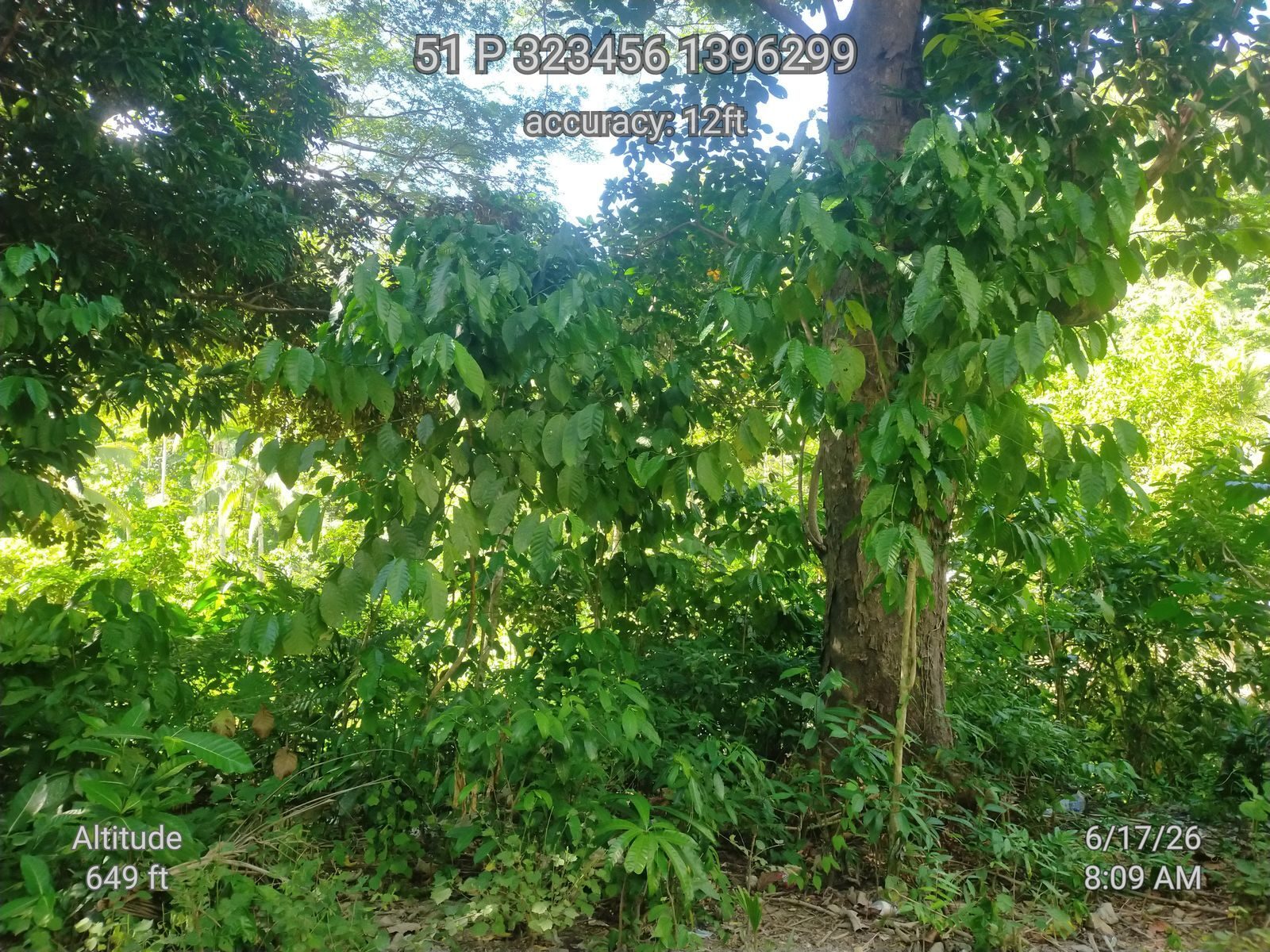
Coffee has been grown in the Philippines since the 1700s, and in the 1800s Philippine coffee was shipped across the world until coffee leaf rust wiped out the farms in the late 1880s. On Mindoro it never fully left: old robusta, liberica and excelsa trees still grow in upland gardens, many planted by Mangyan families decades ago, and the island’s central range is high enough for arabica.
Those farms sit below the forests of Mt Halcon and Mts Iglit-Baco. Mindoro has animals found nowhere else on Earth: the tamaraw, a small wild buffalo, and birds like the Mindoro bleeding-heart and the Mindoro hornbill. Coffee grown under shade trees gives upland families an income from land that stays green, instead of clearing it.
A first for Mindoro
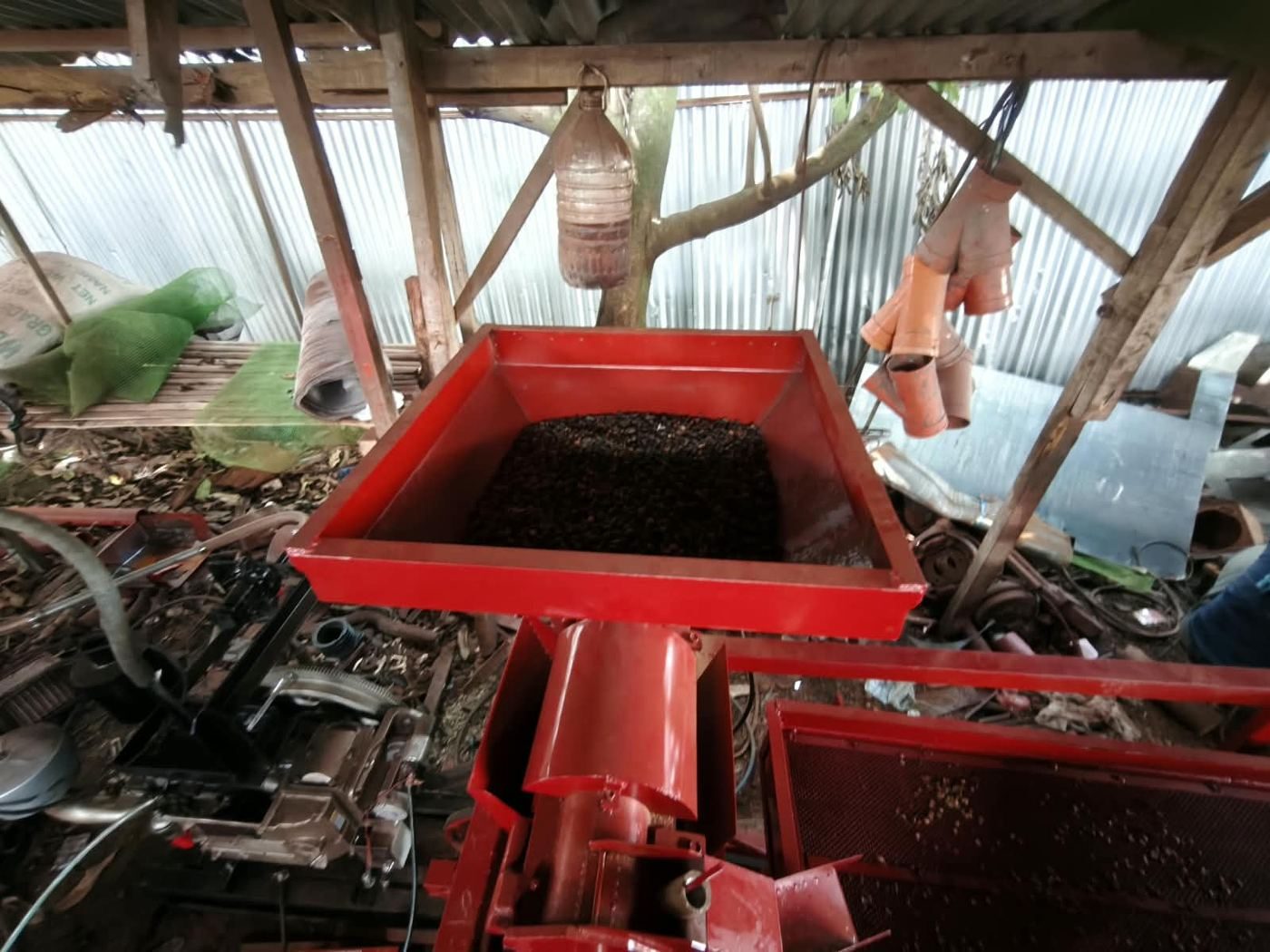
For years, Mindoro coffee left the island as dried cherry and was hulled, graded and sold somewhere else. STACO is the first cooperative on the island to run its own processing center and offer its own line of coffee, so the farmers who grow it keep more of what it is worth.
For roasters and cafés
STACO sells its own line of Mindoro green coffee, hulled and graded in Roxas. Each lot is batch-coded back to its buying station and barangay, so you can tell your customers exactly where it was grown.
Sir Joseph Pornel, Chairman, STACO · joseph@staco.coffee
Our story
STACO is the Stanley Agriculture Cooperative of San Mariano, Roxas, on the southeast coast of Oriental Mindoro. Our members farm coffee and look after the forest land around Stanley, working with DENR and partners to bring native trees back to the hills.
Until now there was nowhere in our area to hull coffee, so it left as dried cherry and the value went with it. From this harvest, cherry is bought, dried, hulled and graded here in Roxas, and leaves Mindoro as green coffee.
STACO starts its reforestation and coffee program in Stanley with partners.
Pilot sites walked and mapped. The first native trees go in at the Pista ng Kalikasan planting.
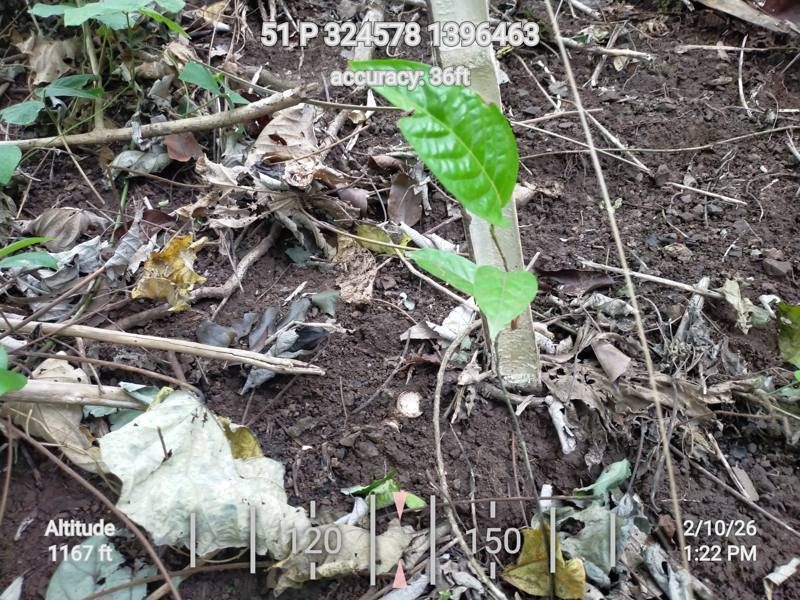
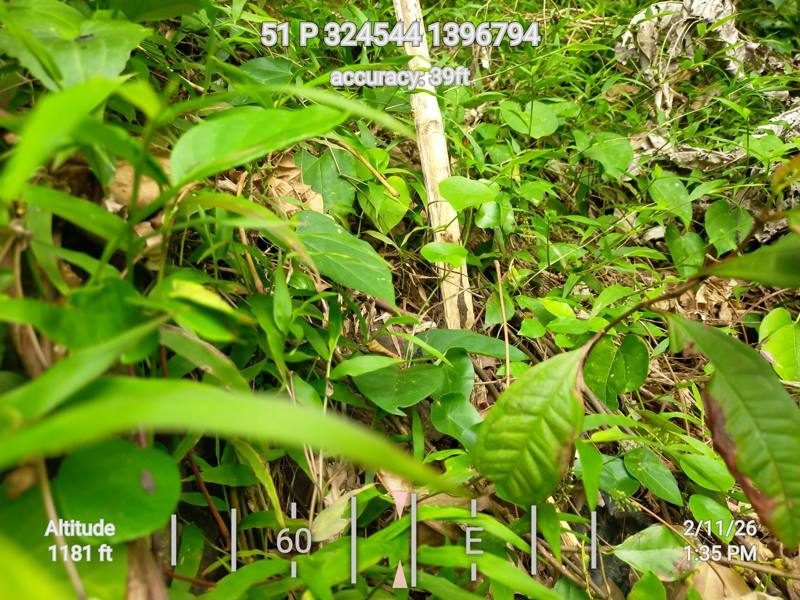
Four days of planting on the STACO pilot sites, every seedling photographed with its GPS position.
CDA seminars for members and a workshop that set STACO’s vision, mission and goals.
Our team trains on a working coffee line in Valencia, Bukidnon. Members host a solar company’s planting of 500 native trees.
Our own huller arrives in Roxas, in time for the harvest.
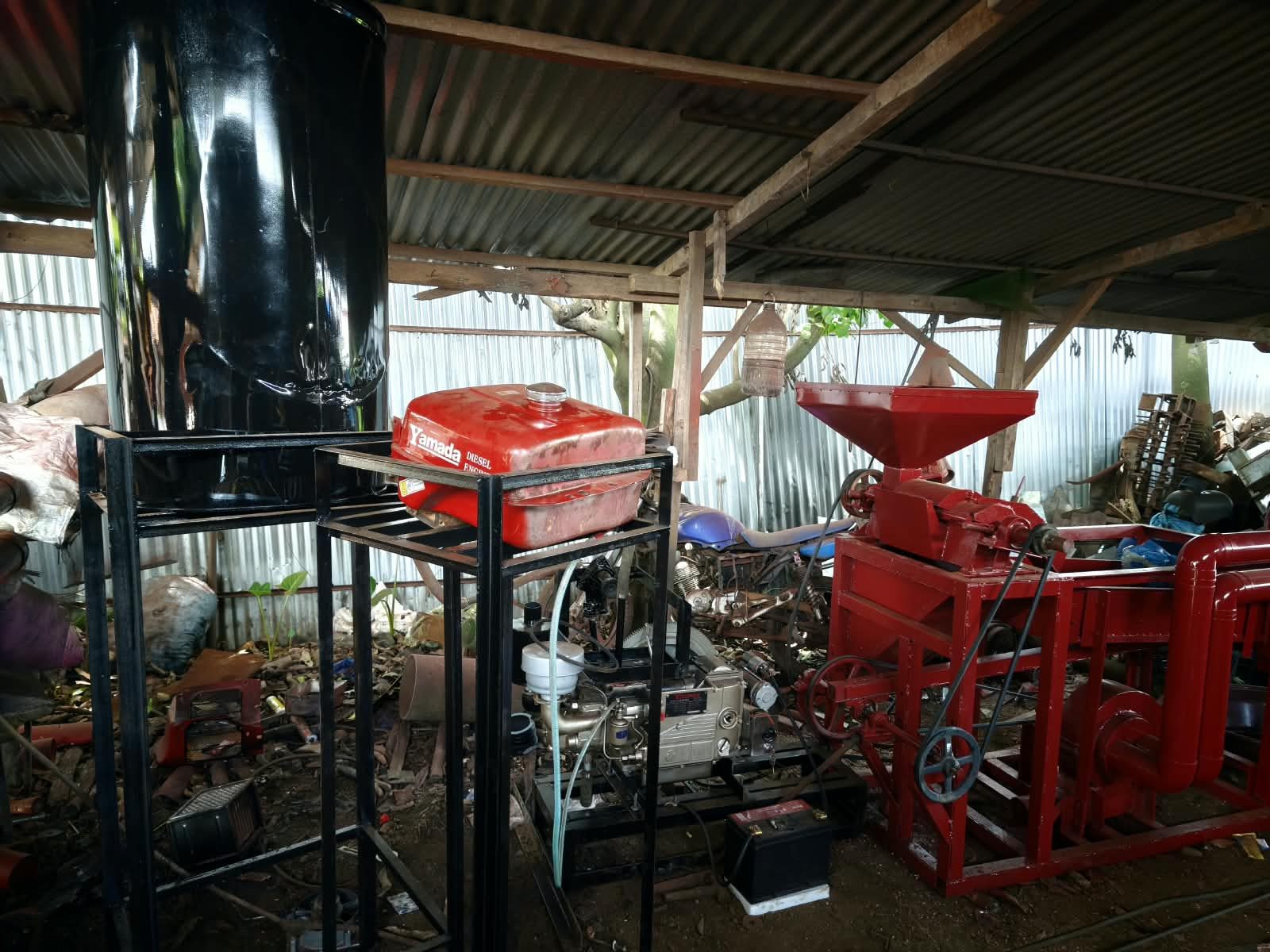
The STACO processing center
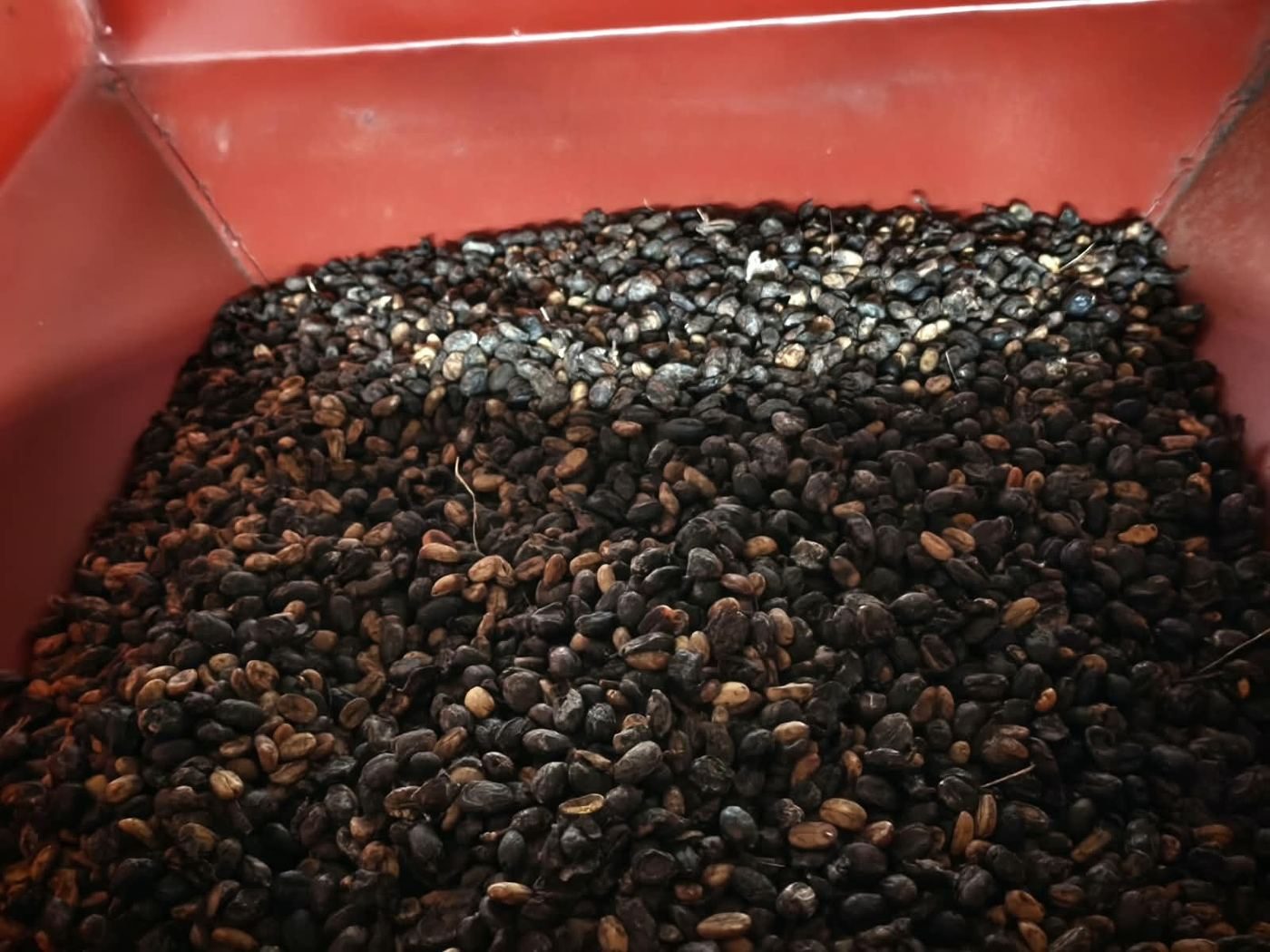
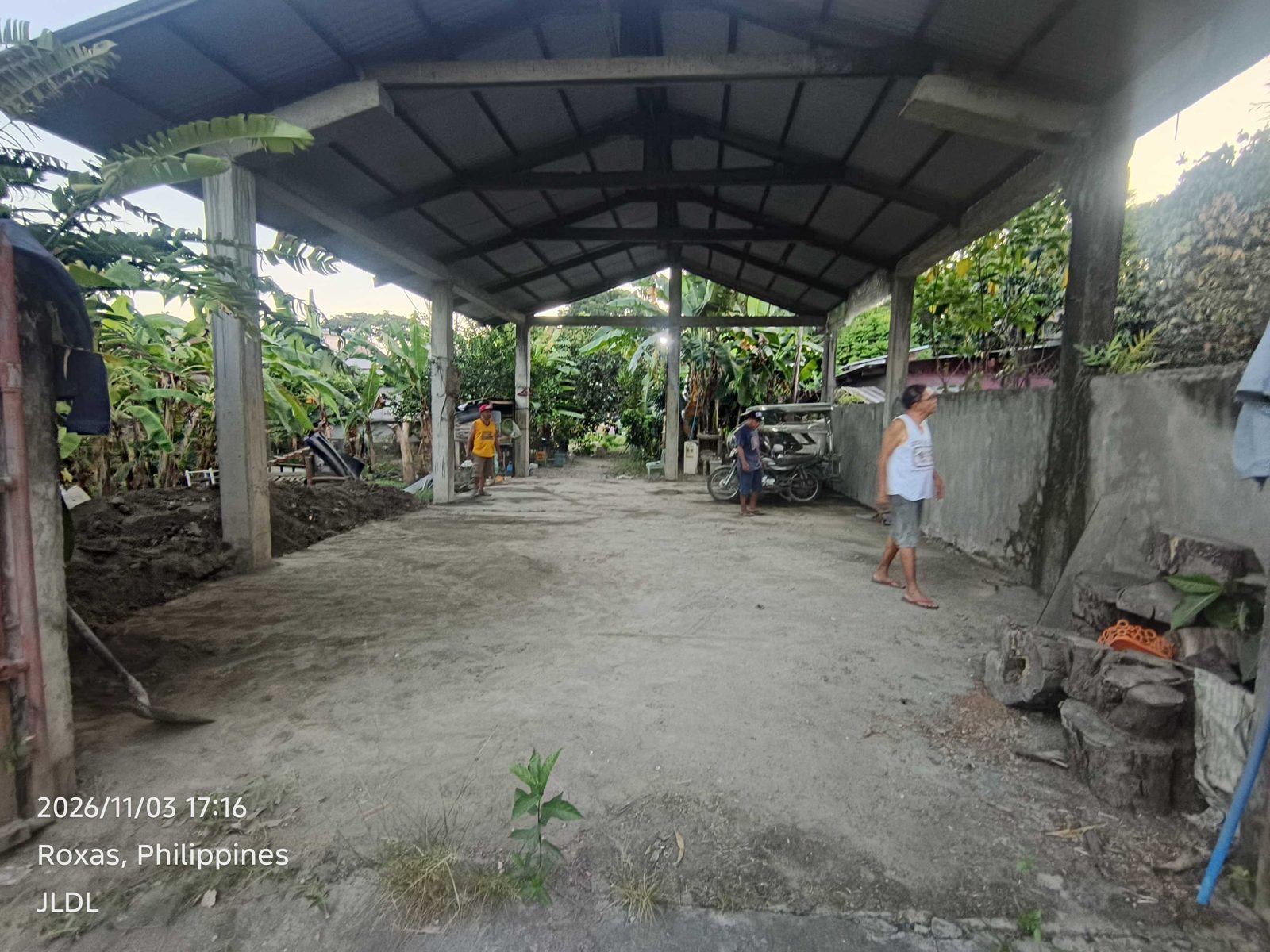
Farmers sell fresh cherry at buying stations close to home. The cherry is dried on raised racks, then hulled, sorted and graded at our center in Roxas. Every lot is batch-coded, so a bag of green coffee can be traced back to where it was grown.
Fresh cherry is weighed and paid for at the buying station in the farmer’s own barangay.
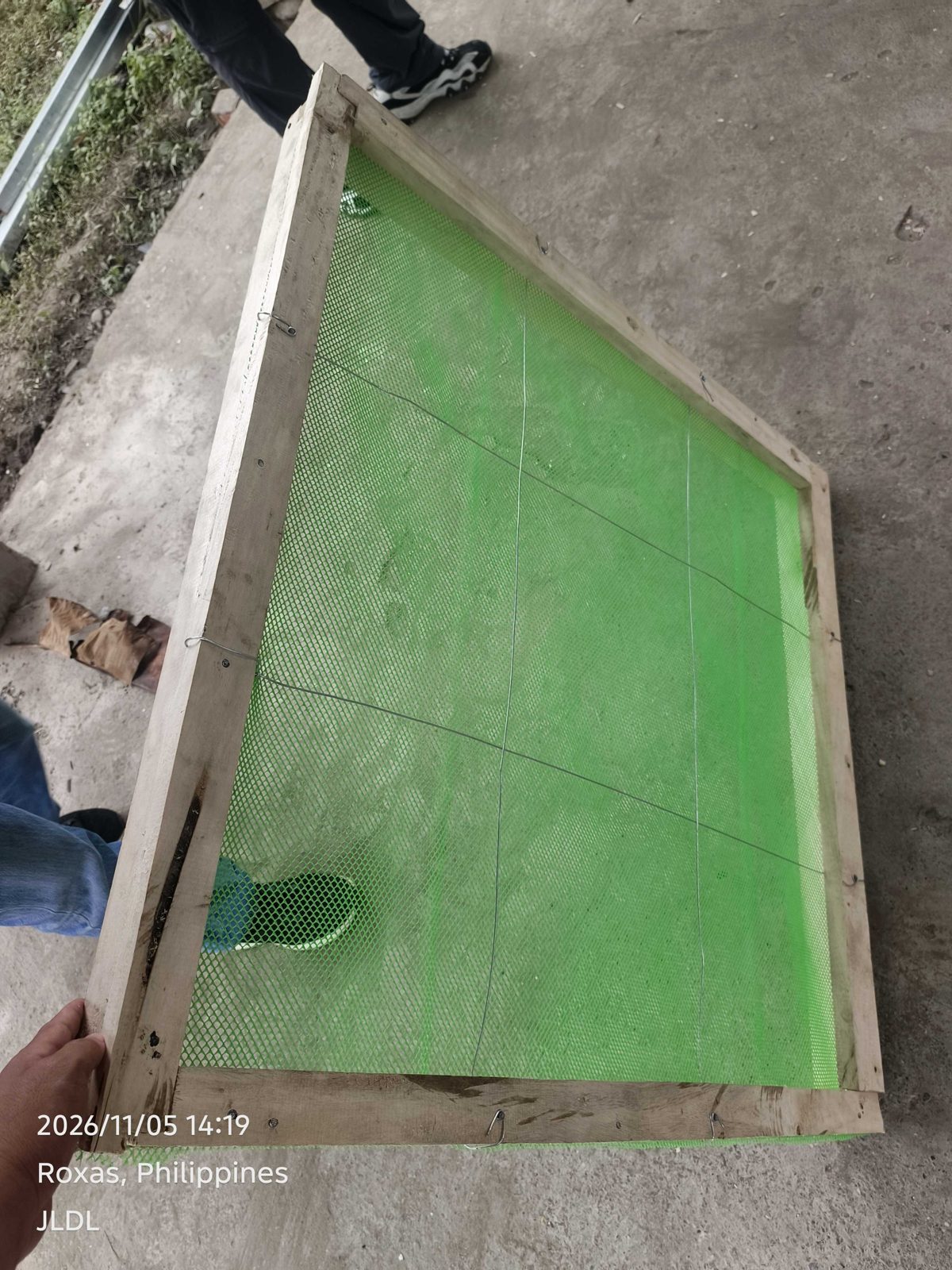
Raised drying racks keep the cherry off the ground and away from mould.
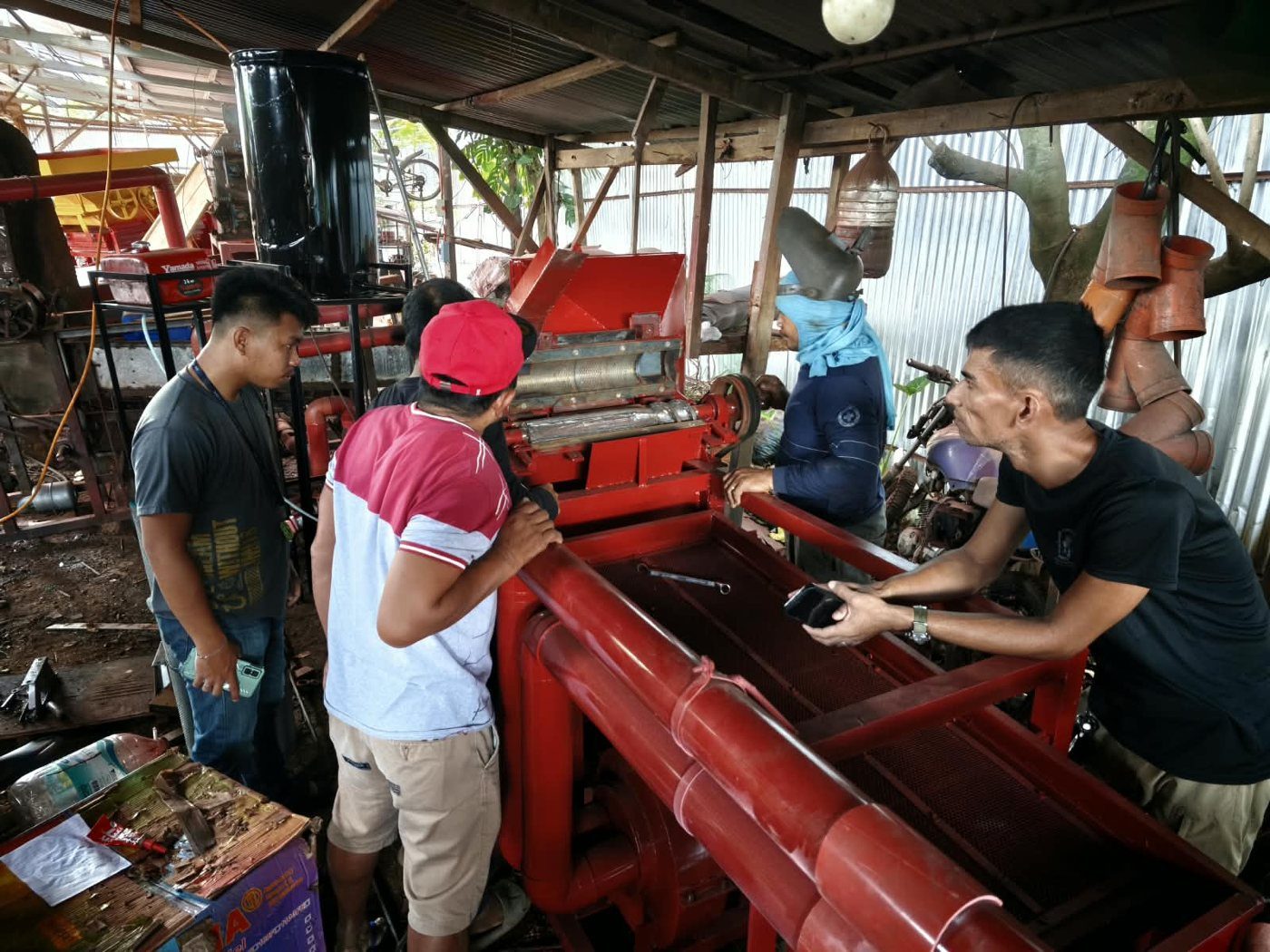
A 500 kg/hr diesel huller, built for all four Mindoro coffees.
Beans are sorted by screen size and checked for moisture before bagging.
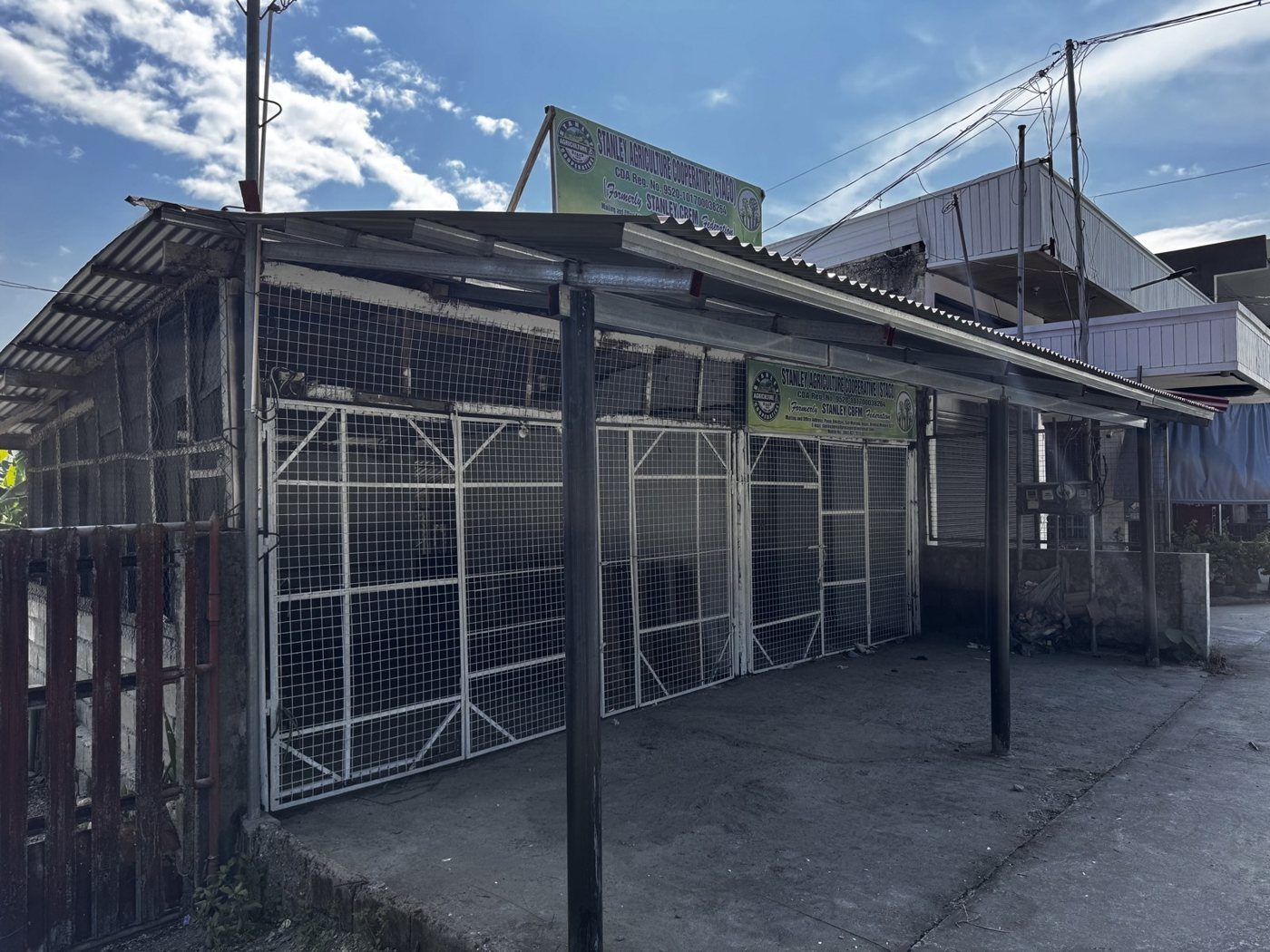
Every lot is batch-coded, stored in our warehouse and trucked out as green coffee.
More than a mill
The center is where the cooperative meets, and visitors are welcome too.
Tree-planting days
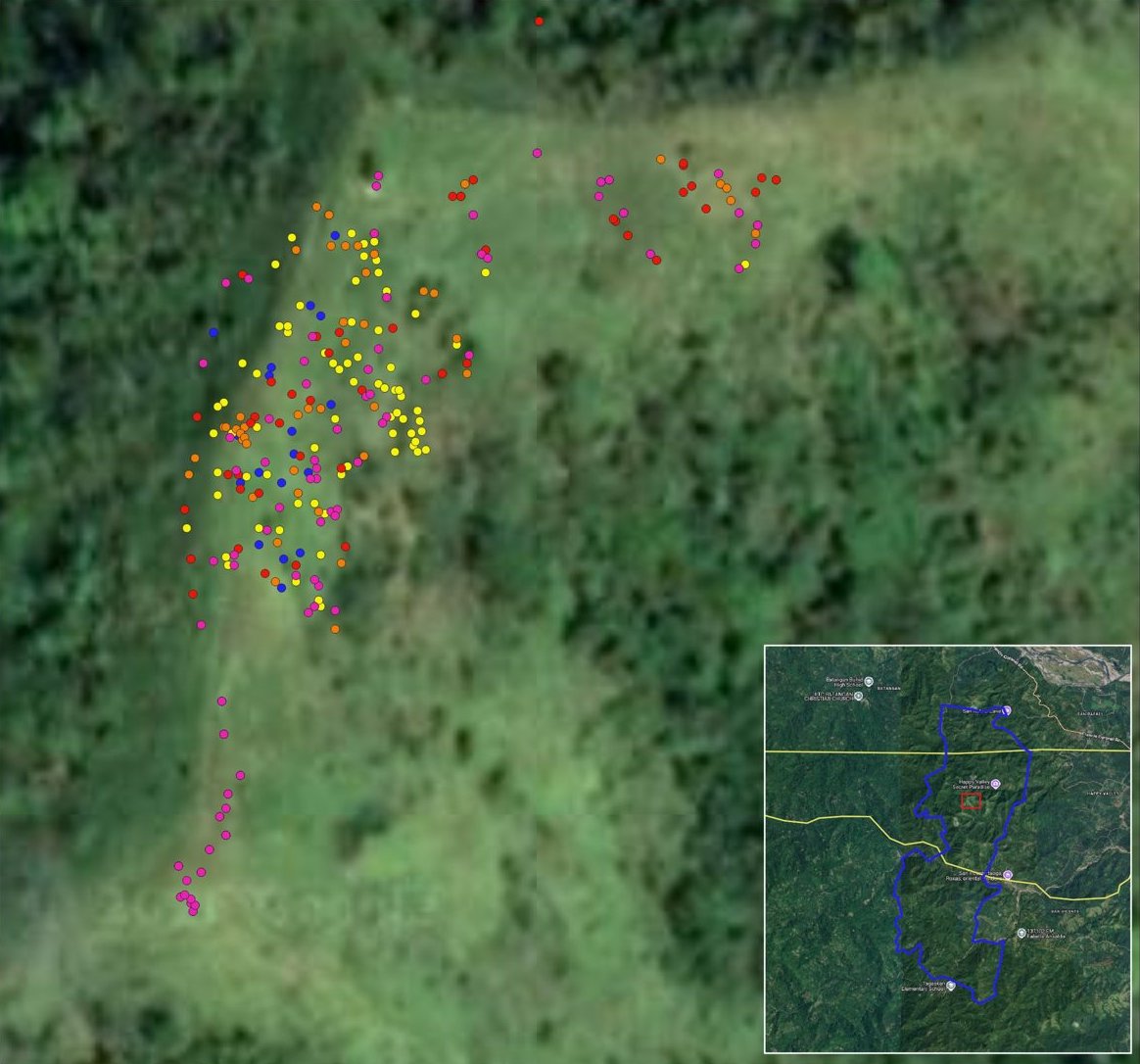
Companies, schools, LGUs and groups can hold their tree-planting day with us. Our members guide the hike, prepare native seedlings, plant alongside you and look after the trees afterwards. You get a map of every tree you planted.
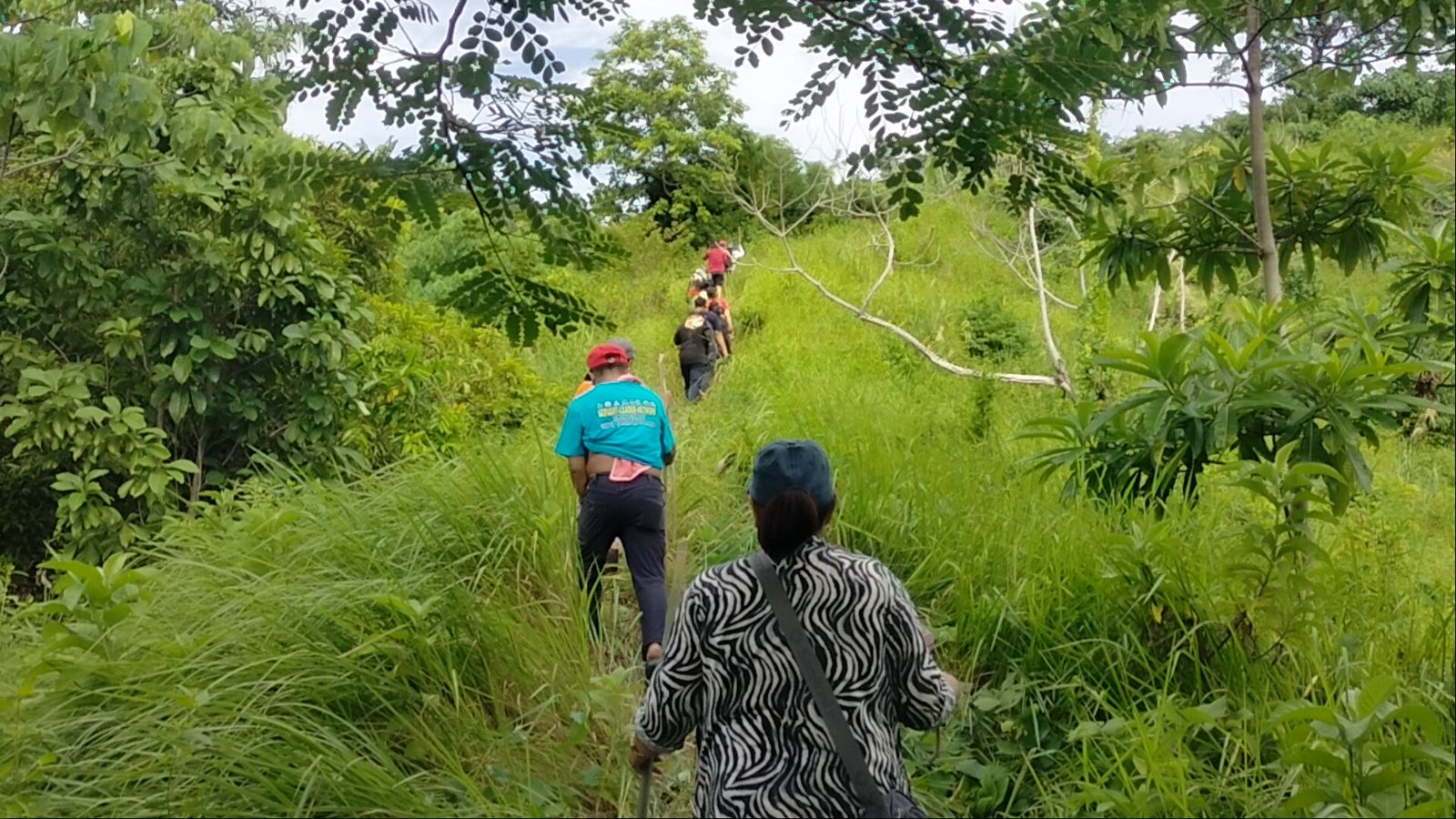
After your day, STACO members keep looking after the trees you planted.
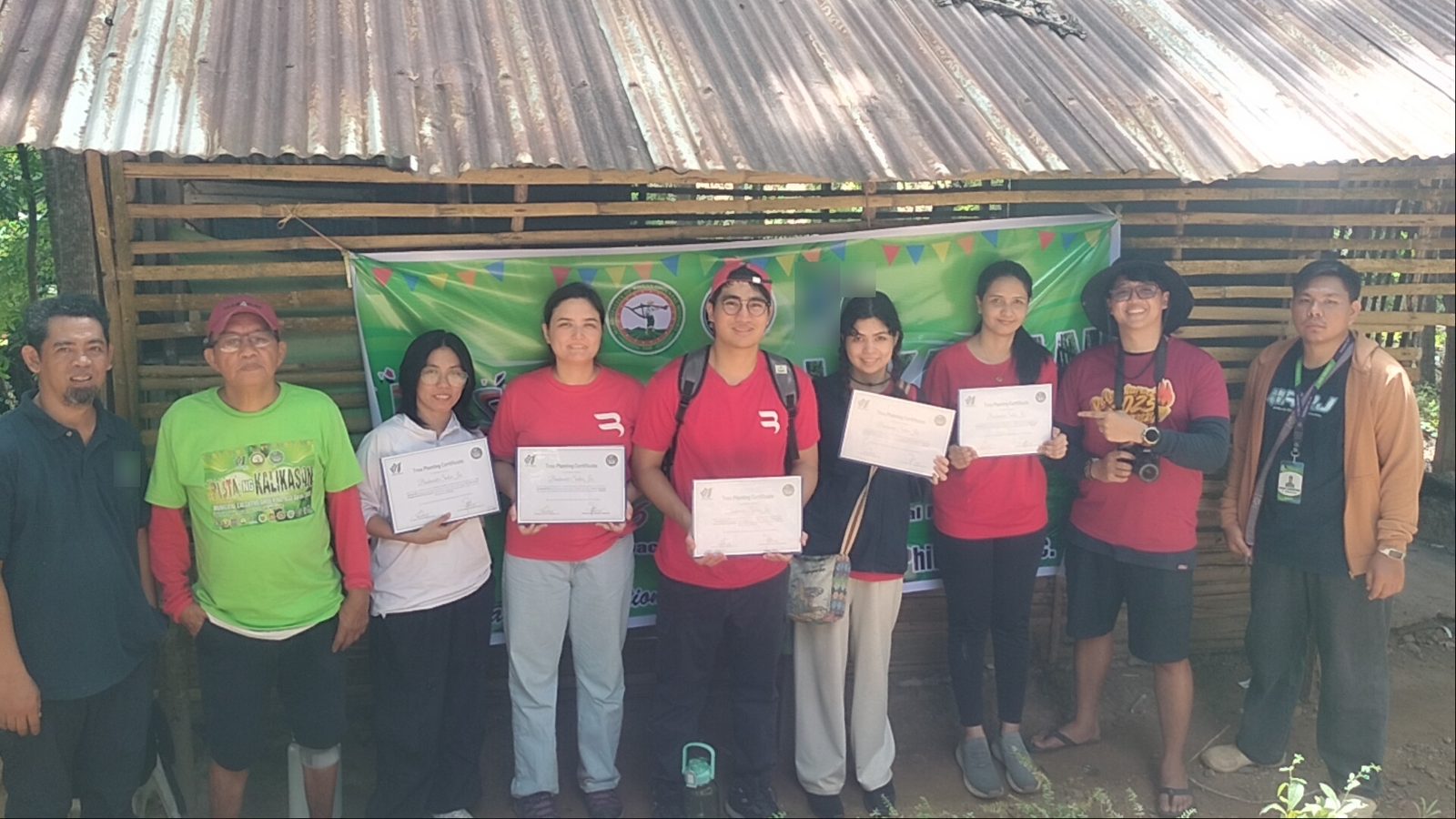
In October 2026, a solar company’s team planted 500 native trees with us in Upper Sepaco. Each tree has a photo, a date and a GPS point, and the company got a map of every one of them.
Visit STACO
STACO Center, Sitio Orkedya, San Mariano, Roxas, Oriental Mindoro.